
The recent talks between Pakistan and Saudi Arabia about a proposed deal to trade JF-17 jets for loans have gotten a lot of attention from diplomats, military leaders, and businesspeople. This possible agreement is more than just a simple defense deal; it shows how geopolitical priorities are changing, how the two long-time allies are working together financially, and how they trust each other strategically.
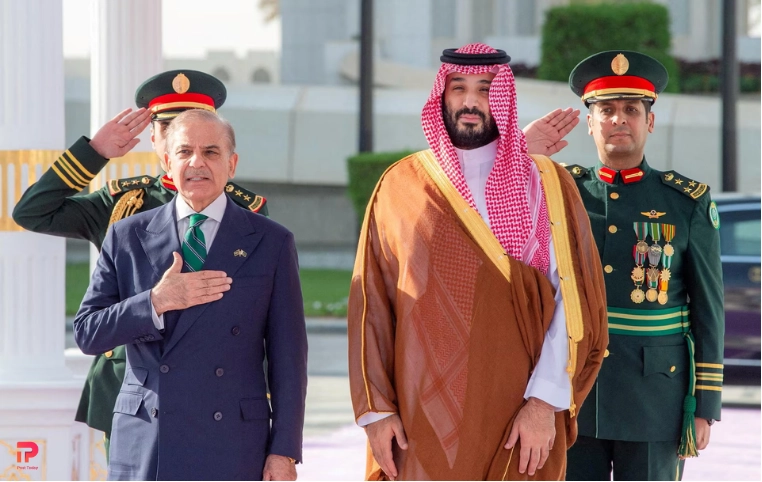
Pakistan Saudi Arabia have had close political, military, and economic ties for decades. The relationship has stayed strong even though the region has changed. It includes things like defense training, intelligence sharing, and financial help during tough economic times. The talk about JF-17 jets for loans marks a new stage in this partnership, one where military strength and economic help come together.
This article looks at the background, strategic reasons, economic effects, and regional effects of the Pakistan Saudi Arabia talks about the JF-17 jets-for-loans deal. It does a thorough and fair job of analyzing the situation.
The Strategic Background and Defense Ties Between Pakistan and Saudi Arabia
The relationship between Pakistan Saudi Arabia has always been based on shared strategic goals and ideological alignment. Pakistan has been helping Saudi Arabia with military training, advice, and manpower for decades, and defense cooperation has been a big part of that.
The Pakistan Aeronautical Complex (PAC) and other parts of Pakistan’s defense industry have grown a lot in the last few years. The JF-17 Thunder, which Pakistan and China worked on together, is a sign of how Pakistan is becoming more self-sufficient in military aviation. It has already been sent to a number of other countries, which has improved Pakistan’s defense diplomacy.
Under Vision 2030, Saudi Arabia’s strategy for buying defense goods is also changing. The Kingdom wants to find more suppliers, make its own weapons, and get military platforms that are both cheap and reliable. In this situation, the JF-17 is a good choice.
Defense experts quoted by Jane’s Defense (https://www.janes.com) say that Pakistan’s ability to provide both training and operational support makes it a more attractive defense partner for Gulf countries.
Pakistan Saudi Arabia JF-17 Jets-for-Loans Proposal Explained
The main point of the Pakistan Saudi Arabia talks is a unique offer: to give Pakistan JF-17 fighter jets in exchange for money or low-interest loans. This deal is different from regular arms deals because it combines defense exports with measures to stabilize the economy.
The proposal is good for Pakistan in two ways. First, it increases defense exports, which makes the JF-17 more credible on the world market. Second, it gives Pakistan some much-needed financial breathing room at a time when it is dealing with fiscal problems and external debt obligations.
From Saudi Arabia’s point of view, the deal could get them cheap multi-role fighter jets while also giving them more power and influence in South Asia. Compared to Western options, the JF-17 is especially appealing because it costs less to buy and keep up.
Reports from Reuters (https://www.reuters.com) say that these kinds of financial deals linked to defense are becoming more common as countries look for new ways to deal with economic and security problems.
The economic and financial effects of Pakistan Saudi Arabia
The economic part of the Pakistan Saudi Arabia jets-for-loans deal is just as important as the military part. Pakistan has gotten help from Saudi Arabia in the past, such as oil facility deals, deposits in the State Bank, and payment plans that let them pay later.
By tying financial help to defense exports, you create a transactional but mutually beneficial framework. Pakistan gets cash and money from exports, while Saudi Arabia makes sure that its financial help leads to real strategic benefits.
This model also fits with Saudi Arabia’s overall investment strategy, which is moving away from giving money without strings attached and toward partnerships, returns, and long-term influence. For Pakistan, it emphasizes the need to use its own industries to help keep the economy stable.
The International Institute for Strategic Studies (https://www.iiss.org) and other groups have said that defense and economics are becoming more and more connected in modern geopolitics, especially between strategic partners.
The Effects on Pakistan, Saudi Arabia, and the Region
The talks about the JF-17 between Pakistan Saudi Arabia have effects that go beyond the two countries’ relations. In the Middle East and South Asia, the deal could change the balance of air power and affect how countries buy defense equipment.
India, Iran, and the Gulf Cooperation Council (GCC) countries will be keeping a close eye on what happens in these talks. The JF-17 isn’t a fifth-generation plane, but it’s a good choice for air forces that want to modernize without spending too much money because it’s flexible and cheap.
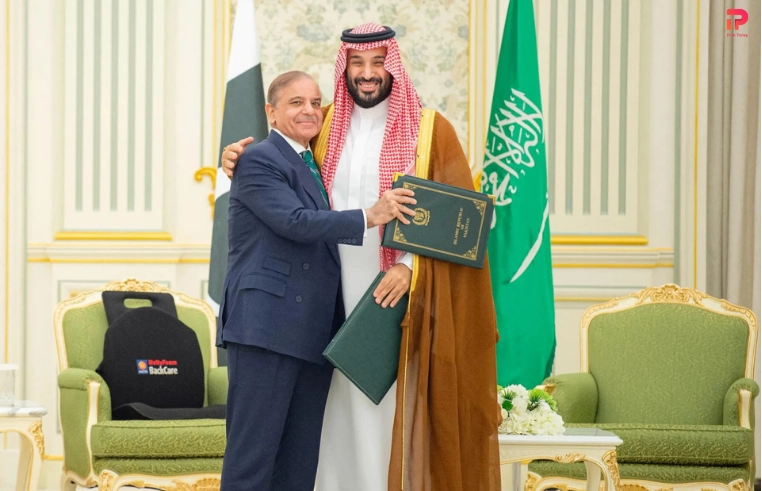
The deal also strengthens Pakistan’s position as a defense exporter instead of just an importer. This change gives Islamabad more diplomatic power and makes it more independent in its strategy.
The talks show that Saudi Arabia wants to strengthen its ties with defense partners outside of the West, in addition to its traditional ties with the US and Europe.
Analysts writing for Al Jazeera (https://www.aljazeera.com) have said that this kind of diversification shows that Riyadh wants to be able to adapt to a world that is becoming more multipolar.
The Future of Pakistan and Saudi Arabia: Outlook and Strategic Trust
In the future, the Pakistan Saudi Arabia jets-for-loans deal could be a model for other countries to work together in defense, technology, and finance. If it works, it would show that there is a lot of strategic trust and coordination between institutions.
For Pakistan, it could lead to more defense exports and joint production projects. It gives Saudi Arabia a chance to work more closely with a trusted ally in the military while also moving forward with its goals of making its defenses more local.
But there are still problems to deal with. It will take careful negotiation to finalize the terms, make sure everyone is on the same page, and make sure that operational needs are met. Both sides also need to think about how the rest of the world will look at them and how sensitive the region is.
In the end, the talks show that the relationship is still changing to fit new situations. The partnership between Pakistan Saudi Arabia, which has roots in history but looks to the future, is still an important part of regional stability and strategic alignment.
Stay tuned to Post Today for trustworthy coverage